

Comedy shows are a vibrant and dynamic form of entertainment that rely heavily on effective communication between the performer and the audience. A crucial element in this equation is the microphone. As a microphone supplier, I often get asked whether a microphone can be used for a comedy show. The answer is a resounding yes, and in this blog post, I'll explore why microphones are essential for comedy shows, the types of microphones suitable for such events, and how to choose the right one.
Why Microphones are Essential for Comedy Shows
Amplification
One of the primary reasons microphones are necessary for comedy shows is amplification. Comedy clubs, theaters, and large event spaces can hold a significant number of people. Without a microphone, the comedian's voice may not carry to the back rows, resulting in a poor viewing experience for many audience members. A microphone ensures that every joke, punchline, and comical anecdote reaches the entire audience, regardless of their seating position.
Clarity
In addition to amplification, microphones enhance the clarity of the comedian's voice. They pick up the nuances of speech, including intonation, inflection, and volume changes, which are all crucial for delivering a funny and engaging performance. A good microphone can also reduce background noise, such as chatter from the audience or ambient sounds from the venue, allowing the comedian's voice to stand out clearly.
Interaction
Comedy shows often involve interaction between the comedian and the audience. Whether it's a Q&A session, audience participation, or ad - libbing, a microphone enables seamless communication. The comedian can hear the audience's responses clearly and respond in kind, creating a more immersive and interactive experience for everyone involved.
Types of Microphones Suitable for Comedy Shows
Handheld Microphones
Handheld microphones are a popular choice for comedy shows. They offer a high level of mobility, allowing the comedian to move freely around the stage. This mobility is essential for adding physical comedy to the performance, such as walking, gesturing, or interacting with props. Handheld microphones also provide a natural and intimate connection between the performer and the audience, as it feels like the comedian is speaking directly into the microphone. Some of our high - quality handheld microphones can be found in our Desktop Conference Microphone category, which are also adaptable for stage use.
Lapel Microphones
Lapel microphones, also known as clip - on microphones, are another great option. They are discreet and unobtrusive, allowing the comedian to move around the stage without having to hold a microphone. This is particularly useful for comedians who rely on physical comedy or need to use both hands during their performance. Lapel microphones are typically attached to the comedian's clothing, usually near the collar, and provide consistent sound quality throughout the performance.
Headset Microphones
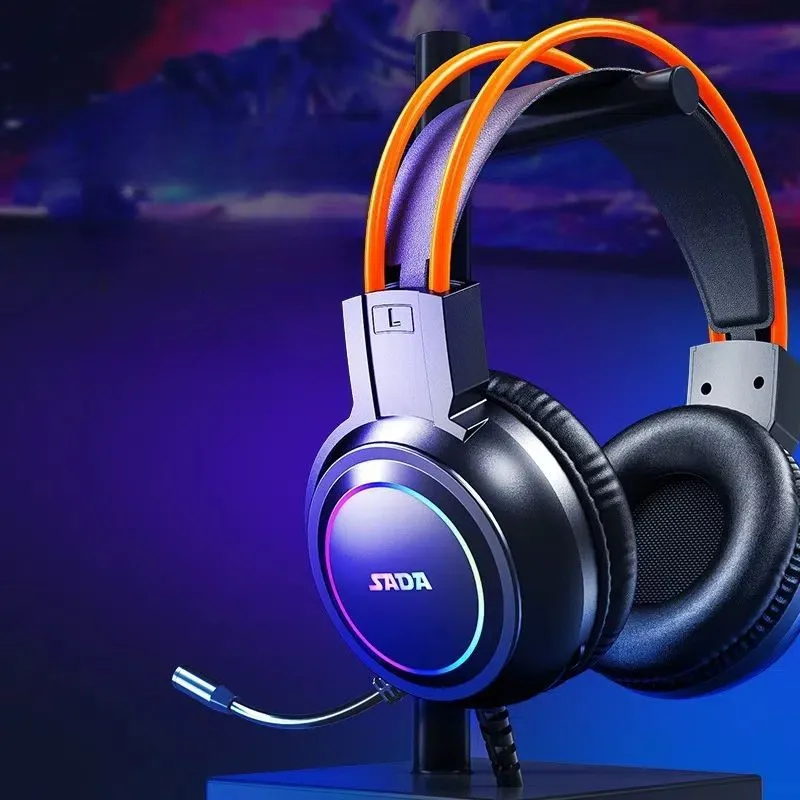
Headset microphones are ideal for comedians who require maximum freedom of movement. They are worn on the head, with the microphone positioned near the mouth. This ensures that the microphone is always in the optimal position to pick up the comedian's voice, regardless of how they move their head or body. Headset microphones are commonly used in high - energy comedy shows where the comedian is constantly on the move. If you're looking for a headset option, our Wireless Gaming Headset Ps4 with Mic can offer inspiration in terms of technology and design, even though it's primarily marketed for gaming.
Boundary Microphones
Boundary microphones are placed on a flat surface, such as a table or a podium. They are suitable for comedy shows where the comedian spends a significant amount of time in one place, such as a seated comedy routine or a talk - show style performance. Boundary microphones can cover a wide area and provide a consistent sound field, making them a good choice for group comedy or panel discussions.
Choosing the Right Microphone for a Comedy Show
Venue Size
The size of the venue is an important factor to consider when choosing a microphone. For small comedy clubs or intimate settings, a simple handheld or lapel microphone may be sufficient. However, for larger theaters or outdoor events, a more powerful microphone with a longer range may be required. Our Ps4 Headset Bluetooth with Microphone can be a good option for smaller spaces due to its portability and decent sound quality.
Performance Style
The comedian's performance style also plays a role in microphone selection. If the comedian is very energetic and moves around a lot, a headset or handheld microphone would be more suitable. On the other hand, if the performance is more static, a boundary or lapel microphone may be a better choice.
Sound Quality
Sound quality is paramount. Look for a microphone that offers clear, crisp, and natural sound reproduction. Consider features such as frequency response, signal - to - noise ratio, and sensitivity. A good microphone should also be able to handle high sound pressure levels without distorting the sound.
Budget
Budget is always a consideration. There are microphones available at various price points, from entry - level models to high - end professional equipment. Determine your budget and look for a microphone that offers the best combination of features and performance within your price range.

Conclusion
In conclusion, using a microphone for a comedy show is not only possible but highly recommended. It enhances the performance by providing amplification, clarity, and the ability to interact with the audience. When choosing a microphone, consider factors such as venue size, performance style, sound quality, and budget. As a microphone supplier, we offer a wide range of microphones suitable for comedy shows, from handheld to headset models.
If you're interested in purchasing microphones for your comedy show or have any questions about our products, we encourage you to reach out for a procurement discussion. We're here to help you find the perfect microphone solution to make your comedy show a success.
References
- Professional Audio Handbook by David Miles Huber and Robert E. Runstein
- Sound Reinforcement Handbook by Don and Carolyn Davis


