What are microphone shock mounts?
As a professional microphone supplier, I've had numerous customers inquire about microphone shock mounts. These seemingly simple accessories play a crucial role in the audio recording and live - performance world. In this blog, I'll delve into what microphone shock mounts are, their functions, types, and why they are essential for anyone serious about audio quality.
What is a Microphone Shock Mount?
A microphone shock mount is a device designed to isolate a microphone from mechanical vibrations and shocks. It typically consists of a frame or cage that holds the microphone and a suspension system made of elastic materials such as rubber bands, springs, or foam. The main purpose of this setup is to prevent unwanted vibrations from reaching the microphone element, which could otherwise be translated into audible noise in the recorded or transmitted audio.
How Do They Work?
The principle behind a microphone shock mount is based on vibration isolation. When a microphone is placed in a shock mount, the elastic components absorb and dissipate the energy of mechanical vibrations. For example, if you're recording in a room where there's a lot of foot traffic or the equipment is on a surface that vibrates, the shock mount will act as a buffer. The vibrations are transferred to the shock mount's frame, but the elastic elements stretch and compress, reducing the amount of vibration that reaches the microphone itself. This ensures that the audio captured by the microphone is clean and free from the rumbling or buzzing sounds that vibrations can cause.
Types of Microphone Shock Mounts
Spring - Based Shock Mounts
Spring - based shock mounts are among the most common types. They use metal springs to suspend the microphone within a frame. These springs are highly effective at isolating vibrations because they can flex in multiple directions. They are often used with large - diaphragm condenser microphones, which are very sensitive to vibrations. The springs can be adjusted in some models to provide the optimal level of suspension for different microphone weights. For example, if you're using a heavier microphone, you might need to adjust the tension of the springs to ensure proper isolation.

Rubber - Band Shock Mounts
Rubber - band shock mounts are another popular option. They use rubber bands to hold the microphone in place. These shock mounts are lightweight and relatively inexpensive. They are well - suited for smaller microphones, such as dynamic microphones used in live sound applications. The rubber bands stretch and absorb vibrations, providing a good level of isolation. One advantage of rubber - band shock mounts is that they are easy to install and can be quickly adjusted if needed.
Foam - Based Shock Mounts
Foam - based shock mounts are often used in combination with other types of isolation methods. They typically consist of a foam insert that surrounds the microphone. The foam helps to dampen vibrations and also provides some protection against physical impacts. Foam - based shock mounts are commonly used in portable recording setups or for microphones that are used in less - than - ideal environments. They can also be used to reduce the transmission of low - frequency vibrations.
Why Are Microphone Shock Mounts Essential?
Improved Audio Quality
The most obvious reason for using a microphone shock mount is to improve audio quality. By eliminating vibrations, the microphone can capture the purest form of sound. This is especially important in professional recording studios, where even the slightest background noise can be a distraction. For example, in a vocal recording session, a shock mount can prevent the sound of the singer's footsteps or the movement of the microphone stand from being picked up by the microphone.
Protection for the Microphone
Shock mounts also provide physical protection for the microphone. They act as a buffer against accidental bumps and drops. The elastic elements in the shock mount absorb the impact energy, reducing the risk of damage to the microphone's delicate internal components. This is particularly important for expensive microphones, such as high - end condenser microphones.
Versatility in Recording Environments
Whether you're recording in a studio, on location, or in a live performance setting, a microphone shock mount can make a significant difference. In a studio, it helps to create a controlled recording environment. On location, where there may be more external vibrations, a shock mount can ensure that the audio remains clean. In a live performance, it can prevent the sound of the stage movements or the handling of the microphone from being heard in the audio.
Our Microphone Offerings
As a microphone supplier, we offer a wide range of high - quality microphones that are compatible with various shock mounts. Our High Quality Desktop Microphone is perfect for home recording setups. It comes with a built - in shock - mount system that provides excellent vibration isolation, ensuring that your recordings are of the highest quality.
If you're a gamer, our Ps4 Headset Bluetooth with Microphone is a great option. The microphone on this headset is designed to be highly sensitive, and it benefits from a shock - mount design that reduces background noise and vibrations, giving you clear communication with your fellow gamers.
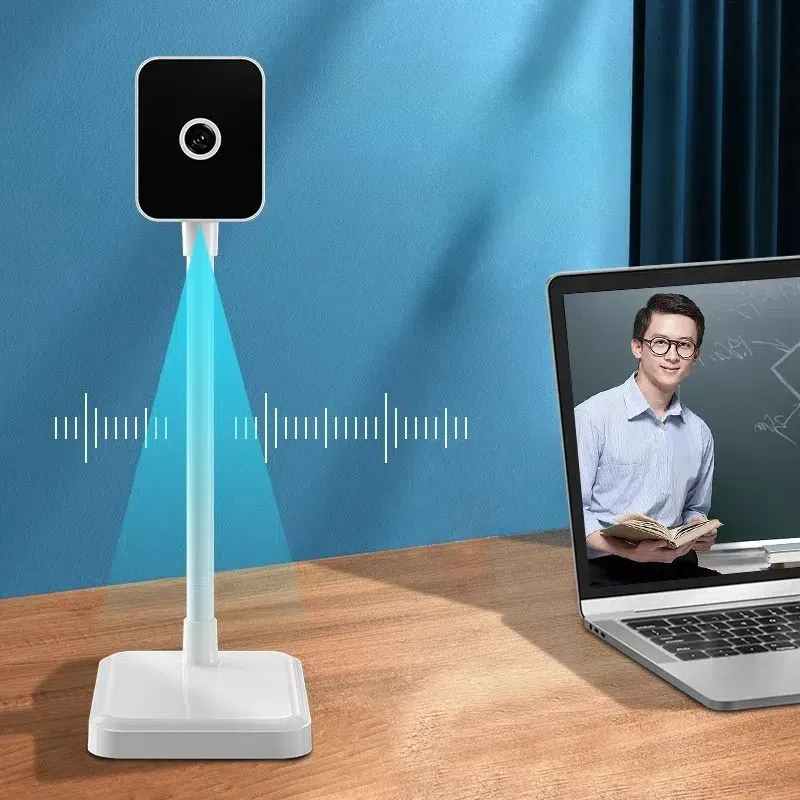
For those involved in video conferencing, our Camera and Microphone for Video Conferencing is a comprehensive solution. The microphone is equipped with a shock mount to ensure that your voice is transmitted clearly, even if there are some minor vibrations in the room.
Conclusion
Microphone shock mounts are an essential accessory for anyone who wants to achieve high - quality audio. They provide vibration isolation, protect the microphone, and improve the overall audio experience in various recording and performance settings. At our company, we understand the importance of these components and offer a range of microphones that are optimized with shock - mount technology.
If you're interested in purchasing high - quality microphones or learning more about our products, we encourage you to contact us for procurement and further discussions. We're here to help you find the perfect audio solutions for your needs.
References
- "Audio Engineering Handbook" by Don and Carolyn Davis
- "The Recording Engineer's Handbook" by Bobby Owsinski