

Hey there! As a microphone supplier, I've seen firsthand how important it is to understand the different types of microphone polar patterns. Whether you're a gamer, a podcaster, or someone who needs a mic for video conferencing, knowing which polar pattern suits your needs can make a huge difference in the quality of your audio. So, let's dive right in and explore these polar patterns!
Omnidirectional Polar Pattern
The omnidirectional polar pattern is like the social butterfly of microphones. It picks up sound equally from all directions, kind of like a 360 - degree audio hug. This is super useful in a bunch of situations. For example, if you're recording a group discussion or a live event where people are talking from all around the mic, an omnidirectional mic is your best bet. It captures the natural ambiance of the room and the voices of everyone involved without any bias towards a particular direction.
One of the downsides, though, is that it can also pick up unwanted background noise. If you're in a noisy environment, all that extra sound will end up in your recording. But if you're in a controlled, quiet setting, an omnidirectional mic can give you a really rich and full - bodied sound. If you're looking for a great omnidirectional mic for gaming or other purposes, check out our Best Gaming Pc Microphone.
Cardioid Polar Pattern
The cardioid polar pattern is probably the most commonly used one. It's shaped like a heart (hence the name, which comes from the Greek word for heart, "kardia"). This pattern picks up sound best from the front of the microphone and rejects sound from the back. It's like having a spotlight for sound, focusing on what's in front of it.
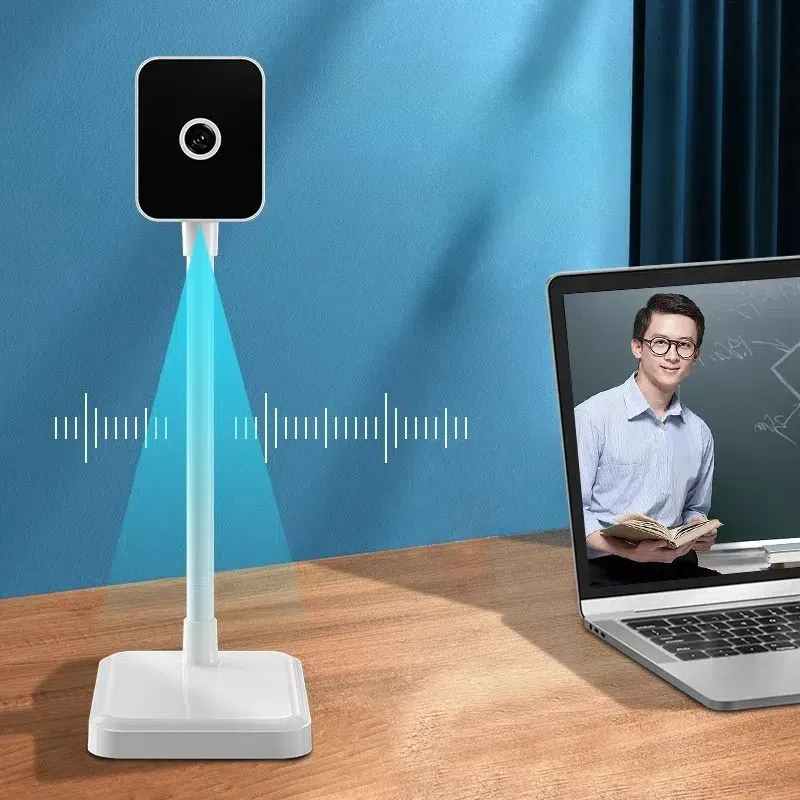
This makes it ideal for solo performers, podcasters, and anyone who wants to isolate their voice from background noise. When you're speaking into a cardioid mic, it really zeroes in on your voice and minimizes the sound coming from the sides and behind. It's great for recording vocals in a studio or even for video conferencing. If you're in the market for a mic for video conferencing, take a look at our Camera and Microphone for Video Conferencing.
However, it's important to note that if you move too far off - axis (to the side of the mic), the sound quality can start to degrade. So, you need to stay in front of the mic for the best results.
Supercardioid and Hypercardioid Polar Patterns
Supercardioid and hypercardioid polar patterns are like the more focused cousins of the cardioid pattern. They have a narrower pickup pattern in the front and provide even more rejection of sound from the sides and back.
The supercardioid pattern has a slightly wider front pickup area compared to the hypercardioid. These patterns are great for situations where you really need to isolate the sound source and block out a lot of background noise. For example, if you're recording an interview in a noisy environment or doing live sound reinforcement in a large venue, a supercardioid or hypercardioid mic can be a lifesaver.
But they do have a bit of a trade - off. They often have a "lobing" effect, which means there are small areas on the sides where they can pick up sound more strongly than in other parts of the off - axis area. And because of their narrow pickup pattern, you need to be very precise in positioning the mic in front of the sound source.
Bidirectional (Figure - 8) Polar Pattern
The bidirectional or figure - 8 polar pattern is unique. It picks up sound equally well from the front and the back of the microphone, while rejecting sound from the sides. It's shaped like a figure 8 when you look at its polar diagram.
This pattern is useful in a few specific scenarios. For example, if you're recording a conversation between two people sitting face - to - face, you can place the mic between them, and it will pick up both voices clearly. It's also used in some acoustic guitar recording setups, where the front and back of the guitar can be captured simultaneously.
However, just like the omnidirectional pattern, it can pick up a lot of unwanted noise if there's activity on the front or back sides of the mic. So, you need to be careful about the environment when using a bidirectional mic.
Shotgun Polar Pattern
Shotgun microphones have an extremely narrow and focused polar pattern. They're designed to pick up sound from a long distance in a very specific direction, kind of like a shotgun aiming at a target.
These mics are commonly used in film and television production, where you need to capture sound from a subject that's far away. For example, if you're filming a wildlife documentary and want to record the sounds of animals in the distance, a shotgun mic is perfect. They're also used in some live event situations where you need to pick up sound from a particular area on stage.
The downside is that they're very sensitive to any movement or change in the position of the sound source. If the subject moves even a little bit off - axis, the sound quality can drop significantly.
How to Choose the Right Polar Pattern
Now that you know about all these different polar patterns, how do you choose the right one for your needs? Well, it all depends on your specific situation.
If you're in a group setting and want to capture everyone's voices equally, go for an omnidirectional mic. For solo work or when you need to isolate your voice from background noise, a cardioid mic is a great choice. If you're dealing with a noisy environment and need maximum noise rejection, consider a supercardioid or hypercardioid mic.
For recording conversations or certain musical instruments, a bidirectional mic might be the way to go. And if you need to capture sound from a distance, a shotgun mic is your best option.
We at our microphone supply business are here to help you make the right choice. We've got a wide range of microphones with different polar patterns to suit all your needs. Whether you're a professional in the audio industry or just someone who wants a good mic for personal use, we can provide you with high - quality products.
If you're interested in purchasing a microphone or have any questions about polar patterns or our products, don't hesitate to reach out. We're more than happy to have a chat with you and help you find the perfect mic for your situation. Start a conversation with us, and let's get you the microphone that will take your audio to the next level.

References
- "Microphone Basics: Polar Patterns" by Pro Sound Web
- "Understanding Microphone Polar Patterns" by Shure Inc.


