

In the realm of audio technology, a good microphone stands as a cornerstone for capturing clear, crisp, and high - quality sound. Whether you're a content creator, a musician, a podcaster, or someone engaged in video conferencing, the right microphone can make a world of difference. As a microphone supplier, I've had the privilege of working with a wide range of microphones and understanding the key features that set a good microphone apart from the rest.
Sensitivity
One of the primary features of a good microphone is its sensitivity. Sensitivity refers to how well a microphone can convert sound pressure into an electrical signal. A highly sensitive microphone can pick up even the faintest sounds, making it ideal for recording quiet sources such as acoustic guitars or soft - spoken voices. On the other hand, a less sensitive microphone may be more suitable for loud sound sources, as it can handle high sound pressure levels without distortion.
For example, in a podcasting scenario, a sensitive microphone can capture the nuances of the host's voice, including the subtleties of intonation and inflection. This ensures that the audio is engaging and immersive for the listeners. When choosing a microphone for a particular application, it's important to consider the sensitivity requirements based on the sound source. Camera and Microphone for Video Conferencing often require microphones with appropriate sensitivity to pick up voices clearly in different room environments.
Frequency Response
Frequency response is another crucial feature. It describes how a microphone responds to different frequencies of sound. A flat frequency response means that the microphone reproduces all frequencies equally, resulting in a natural and accurate sound. However, some microphones are designed with a tailored frequency response to enhance certain frequencies.

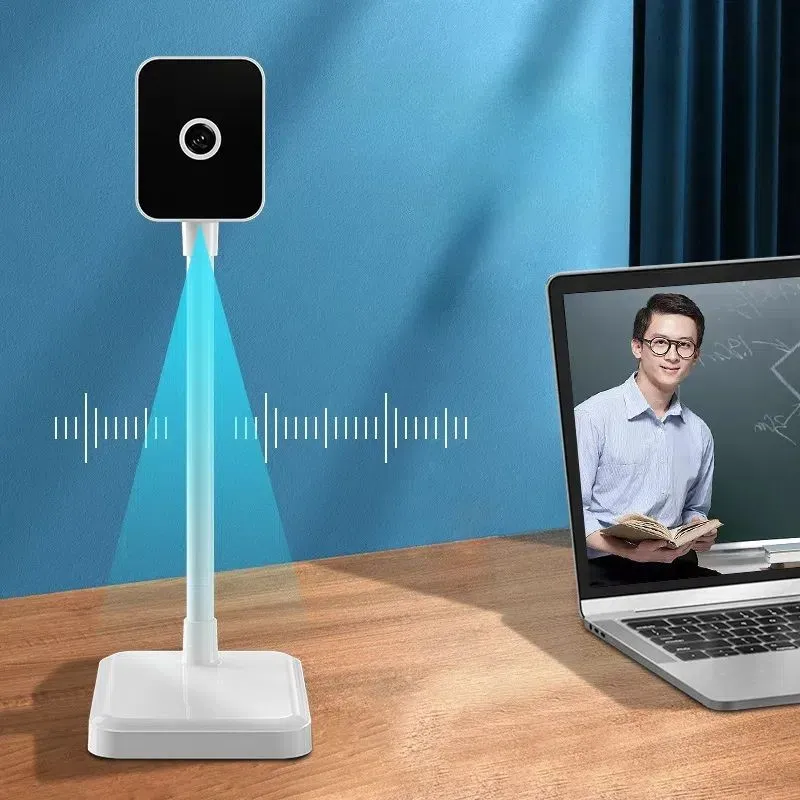
For instance, a microphone with a boosted bass response can add warmth and depth to a voice, which is often desirable in radio broadcasting. In contrast, a microphone with a reduced low - frequency response can minimize background noise and rumble, making it suitable for recording in noisy environments. Musicians may prefer microphones with a wide and flat frequency response to capture the full spectrum of their instruments accurately. Our High Quality Desktop Microphone is engineered to have an excellent frequency response, ensuring that it can handle a variety of audio sources with precision.
Directionality
Directionality refers to the pattern in which a microphone picks up sound. There are several types of directional patterns, including omnidirectional, cardioid, super - cardioid, and figure - 8.
An omnidirectional microphone picks up sound equally from all directions. This makes it suitable for recording group conversations, ambient sounds, or when the sound source is moving around. Cardioid microphones, on the other hand, are most sensitive to sound in front of the microphone and reject sound from the sides and rear. They are commonly used for solo vocals, instrument recording, and in situations where you want to isolate the sound source from background noise. Super - cardioid microphones have an even more focused pickup pattern, which can be useful for live performances where there are multiple sound sources on stage. Figure - 8 microphones pick up sound from the front and back but reject sound from the sides.
In a video conferencing setting, a Desktop Conference Microphone with a cardioid or omnidirectional pattern can be chosen based on the number of participants and the layout of the room. If there are only a few people sitting in front of the microphone, a cardioid microphone can effectively capture their voices while reducing background noise. If the participants are spread out around the room, an omnidirectional microphone may be a better choice.
Signal - to - Noise Ratio (SNR)
The signal - to - noise ratio is a measure of the strength of the desired audio signal compared to the background noise. A high SNR means that the microphone can produce a clean and clear audio signal with minimal background noise. This is especially important in recording environments where there is ambient noise, such as air conditioning, traffic, or electrical interference.
A good microphone with a high SNR will ensure that the recorded audio is of high quality, free from unwanted hiss or hum. For professional audio recording, a high SNR is non - negotiable. Our microphones are designed to have a high SNR, allowing users to capture pristine audio even in less - than - ideal conditions.
Build Quality and Durability
The physical construction of a microphone is also an important consideration. A well - built microphone is more likely to withstand the rigors of regular use, whether it's in a studio, on stage, or in a mobile recording setup.
Microphones with a sturdy housing, high - quality connectors, and reliable internal components are less prone to damage and malfunction. For example, a microphone with a shock - mounted capsule can reduce the impact of handling noise, which is essential for live performances or when the microphone is being moved around. Additionally, a microphone with a weather - resistant design may be suitable for outdoor recording.
Polar Pattern Switching
Some advanced microphones offer the ability to switch between different polar patterns. This feature provides flexibility, allowing the user to adapt the microphone to different recording situations.
For example, a podcaster may start a recording with a cardioid pattern to focus on their voice and then switch to an omnidirectional pattern if they want to include a guest sitting off - center. This versatility makes the microphone a more valuable tool for a wide range of applications.
Ease of Use
A good microphone should be easy to use, especially for non - professional users. This includes features such as simple setup, intuitive controls, and compatibility with different audio devices.
Microphones that can be easily connected to computers, audio interfaces, or mixers via common connectors like XLR or USB are more user - friendly. Additionally, microphones with built - in gain controls or mute buttons can provide added convenience during recording or live performances.
Compatibility
Compatibility is another important aspect. A microphone should be compatible with the audio equipment it will be used with, such as audio interfaces, mixers, and amplifiers.
For example, a USB microphone is designed to be directly connected to a computer, making it a convenient option for home recording and video conferencing. On the other hand, an XLR microphone requires an audio interface or mixer to convert the analog signal to a digital one for recording or playback. Ensuring compatibility between the microphone and the rest of the audio setup is crucial for achieving optimal performance.
Price - to - Performance Ratio
Finally, the price - to - performance ratio is an important factor for many buyers. A good microphone doesn't necessarily have to be the most expensive one on the market.
There are many mid - range microphones that offer excellent performance at a reasonable price. As a microphone supplier, we strive to provide a range of microphones that cater to different budgets without compromising on quality. Whether you're a beginner looking for an affordable yet reliable microphone or a professional in need of a high - end model, we have options to suit your needs.
In conclusion, a good microphone is characterized by a combination of features such as sensitivity, frequency response, directionality, signal - to - noise ratio, build quality, and ease of use. These features work together to ensure that the microphone can capture high - quality audio in a variety of situations. If you're in the market for a microphone, whether it's for video conferencing, music recording, or podcasting, we invite you to explore our product range. We are committed to providing the best microphones that meet your specific requirements. Contact us to start a procurement discussion and find the perfect microphone for your needs.
References
- Microphone Technology Handbook, various editions
- Audio Engineering Society publications on microphone design and performance


