

When it comes to enhancing the audio experience of your laptop, choosing the right size of desktop speakers is crucial. As a seasoned supplier of Laptop Desktop Speakers, I've witnessed firsthand how the size of speakers can significantly impact sound quality, portability, and overall user satisfaction. In this blog post, I'll guide you through the factors to consider when selecting the appropriate speaker size for your laptop, ensuring you make an informed decision that meets your specific needs.
Understanding Speaker Size and Its Impact on Sound
Speaker size plays a fundamental role in determining the audio characteristics of a speaker system. Generally, larger speakers are capable of producing deeper bass and louder volumes compared to smaller ones. This is because larger speaker drivers have more surface area to move air, which is essential for generating low-frequency sounds. On the other hand, smaller speakers are often more compact and portable, making them ideal for users who need to move their speakers around frequently.
Bass Response
Bass is an important component of audio, especially for music genres like hip-hop, electronic, and rock. If you're a fan of these genres, you'll likely want speakers that can deliver a rich, deep bass. Larger speakers, typically those with 5-inch or larger drivers, are better equipped to handle low frequencies and produce a more pronounced bass response. For example, a pair of 6.5-inch desktop speakers can provide a more immersive audio experience, allowing you to feel the thump of the bass in your favorite songs.
However, it's important to note that bass response isn't solely determined by speaker size. Other factors, such as the design of the speaker enclosure and the quality of the amplifier, also play a significant role. Some smaller speakers are engineered with advanced bass-boosting technologies to compensate for their size and deliver a surprisingly good bass performance.
Volume and Sound Pressure Level (SPL)
The size of the speaker also affects its maximum volume and sound pressure level (SPL). Larger speakers can generally produce louder sounds without distorting the audio. This is because they have more power and can handle higher input levels. If you plan to use your speakers in a large room or for parties, you'll want to choose larger speakers that can fill the space with sound.
On the other hand, if you primarily use your speakers in a small room or for personal listening, smaller speakers may be sufficient. They can still provide a decent volume level without overpowering your environment. Additionally, smaller speakers are often more energy-efficient, which can be a plus if you're concerned about power consumption.
Frequency Range
The frequency range of a speaker refers to the range of audio frequencies it can reproduce. A wider frequency range means the speaker can produce a more accurate and detailed sound. Larger speakers typically have a wider frequency range compared to smaller ones, as they can handle both low and high frequencies more effectively.
However, this doesn't mean that smaller speakers can't provide a good frequency response. Many modern small speakers are designed to have a relatively wide frequency range, thanks to advancements in speaker technology. When choosing speakers, it's important to look at the frequency response specifications to ensure they meet your audio needs.
Factors to Consider When Choosing Speaker Size
Now that you understand the impact of speaker size on sound, let's discuss the factors you should consider when choosing the right size of desktop speakers for your laptop.
Room Size
The size of the room where you'll be using your speakers is an important factor to consider. In a small room, such as a bedroom or office, smaller speakers may be sufficient to fill the space with sound. They won't overpower the room and can provide a comfortable listening experience. On the other hand, in a large room, such as a living room or party hall, larger speakers are needed to ensure the sound can reach all corners of the room.
Listening Preferences
Your listening preferences also play a crucial role in determining the right speaker size. If you're a fan of music with a lot of bass, such as hip-hop or electronic music, you'll likely want larger speakers that can deliver a deep, rich bass. On the other hand, if you primarily listen to classical music or podcasts, smaller speakers may be sufficient, as they can provide a clear and detailed sound.
Portability
If you need to move your speakers around frequently, portability is an important consideration. Smaller speakers are generally more portable and easier to carry around. They can be easily transported from one room to another or even taken on the go. Some small speakers are designed to be ultra-compact and lightweight, making them ideal for travel.
On the other hand, larger speakers are less portable and may require more space to store. However, if you don't need to move your speakers often, the benefits of larger speakers, such as better bass response and louder volume, may outweigh the portability factor.
Budget
Your budget is another important factor to consider when choosing speaker size. Generally, larger speakers are more expensive than smaller ones, as they require more materials and advanced technology to produce. If you're on a tight budget, you may want to consider smaller speakers that can still provide a decent audio experience. However, if you're willing to spend more, you can invest in larger speakers that offer better sound quality and performance.
Recommended Speaker Sizes for Different Needs
Based on the factors discussed above, here are some recommended speaker sizes for different needs:
Small Rooms and Personal Listening
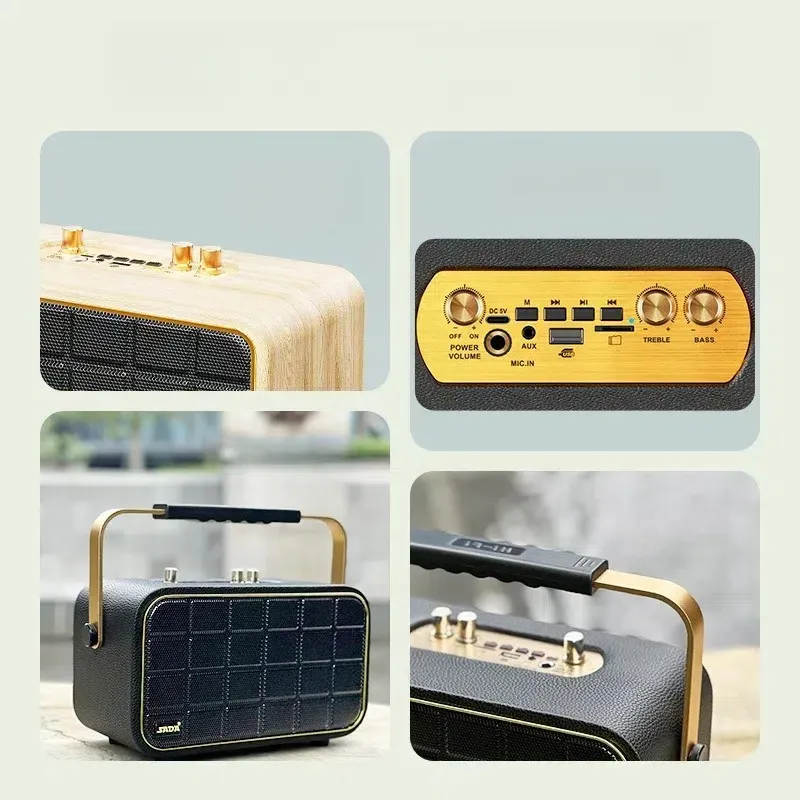
For small rooms, such as bedrooms or offices, and personal listening, we recommend choosing speakers with 3-inch to 4-inch drivers. These speakers are compact, portable, and can provide a clear and detailed sound. They're also relatively affordable, making them a great option for budget-conscious users. Some popular models in this size range include our Mini Portable Karaoke Speakers, which are perfect for personal entertainment and small gatherings.
Medium-Sized Rooms and General Use
For medium-sized rooms, such as living rooms or conference rooms, and general use, we recommend choosing speakers with 5-inch to 6.5-inch drivers. These speakers can deliver a more balanced sound, with a decent bass response and sufficient volume. They're suitable for a variety of applications, including music listening, movie watching, and gaming. Our Best Portable Speaker and Microphone is a great choice for medium-sized rooms, as it offers a combination of portability and high-quality sound.
Large Rooms and Party Use
For large rooms, such as party halls or event spaces, and party use, we recommend choosing speakers with 8-inch or larger drivers. These speakers can produce a powerful and immersive sound, filling the entire room with music. They're ideal for hosting parties and events, where you need to create a lively and energetic atmosphere. Our Portable Karaoke Speaker with Microphone is a great option for large rooms, as it offers a high volume output and a built-in microphone for karaoke.
Conclusion
Choosing the right size of desktop speakers for your laptop is an important decision that can significantly impact your audio experience. By considering factors such as room size, listening preferences, portability, and budget, you can select the speaker size that best meets your needs. Whether you're looking for small, portable speakers for personal use or large, powerful speakers for parties, we have a wide range of options to choose from.

If you're interested in purchasing our Laptop Desktop Speakers or have any questions about speaker size and audio quality, please don't hesitate to contact us. We're here to help you make the right choice and ensure you get the best audio experience possible.
References
- Klipsch. (n.d.). Speaker Size and Sound Quality. Retrieved from https://www.klipsch.com/blog/speaker-size-and-sound-quality
- Audioholics. (n.d.). Understanding Speaker Size and Its Impact on Sound. Retrieved from https://www.audioholics.com/education/understanding-speaker-size-and-its-impact-on-sound


